
There is a stubborn myth floating around the wellness world that eating healthy requires a massive paycheck. We look at organic grocery store receipts, pricey superfood powders, and trendy meal kits, and it’s easy to feel defeated before we even start. But here is the truth: some of the healthiest foods on the planet are also the cheapest. Eating well on a budget isn’t about deprivation—it’s about strategy. With a few smart shopping habits and a bit of kitchen creativity, you can cook delicious, nutrient-dense meals without breaking the bank. Here is your roadmap to healthy eating in an apartment on a budget.

Build Your Foundation on “Budget Superfoods”
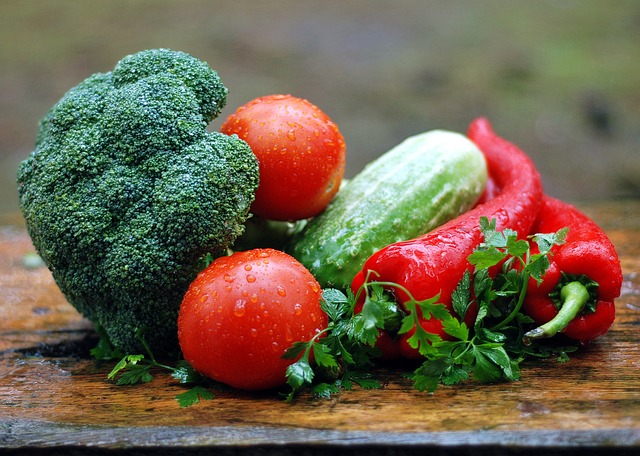
Forget exotic berries and expensive supplements. The real heroes of a budget-friendly kitchen are humble, versatile, and packed with nutrition.
- Legumes and Grains: Dried or canned beans, lentils, chickpeas, oats, and brown rice are incredibly inexpensive. They form the protein and fiber backbone of countless global dishes, from rich lentil dals to hearty bean chilis. Buy them in bulk to slash costs even further.
- The Humble Egg: Ounce for ounce, eggs are one of the most affordable sources of high-quality protein, healthy fats, and essential vitamins available. A simple veggie scramble or a frittata made with leftover produce is a gourmet, low-cost dinner.
- Cabbage and Root Vegetables: Cabbage, sweet potatoes, carrots, and onions are packed with antioxidants, have a remarkably long shelf life, and cost pennies per serving.

Befriend the Frozen Aisle
When people think of “healthy,” they often head straight to the fresh produce section. While fresh is great, it comes with a ticking clock. If your fresh spinach turns to slime in the crisper drawer before you can eat it, you are throwing money directly into the trash.
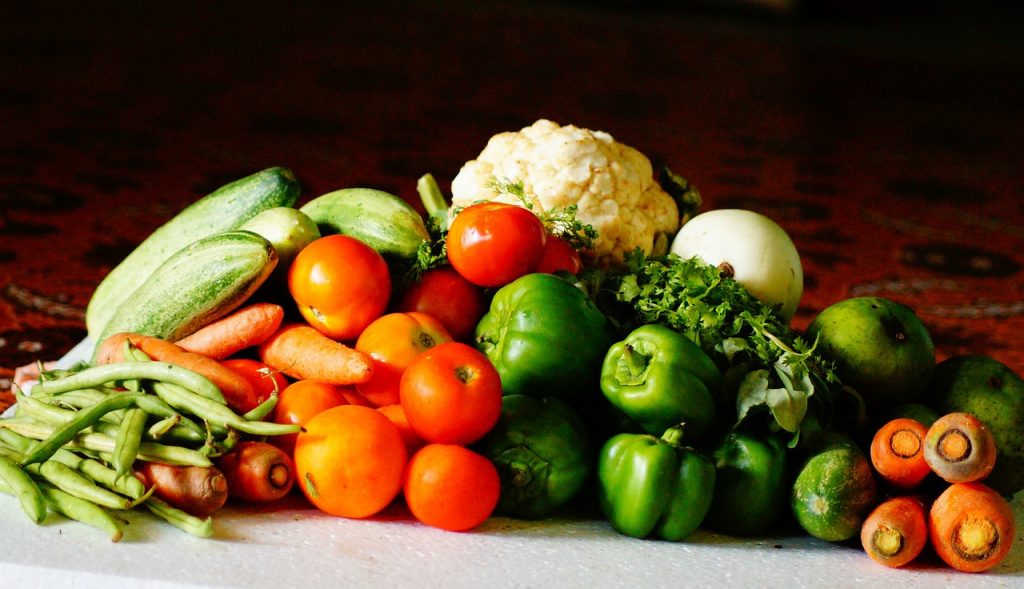
Frozen fruits and vegetables are harvested at peak ripeness and flash-frozen immediately, locking in all their vitamins and minerals. They are often significantly cheaper than their fresh counterparts, they won’t spoil, and they come pre-chopped, saving you precious prep time. Keep bags of frozen broccoli, spinach, and berries on hand for quick stir-fries, curries, and smoothies.

Master the Art of “Reverse Meal Planning”
Traditional meal planning involves picking a recipe, making a massive list of specific ingredients, and buying them all at full price.
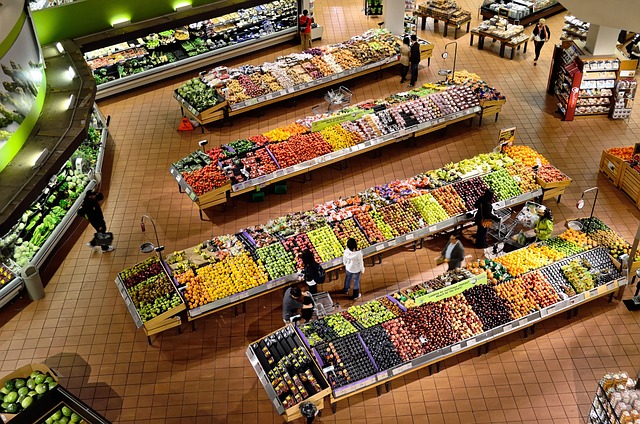
Reverse meal planning flips the script. Start by looking at your local grocery store’s weekly sales flyer. What protein is on markdown? Which vegetables are in season and discounted? Build your meals around those items.
Once you are in the kitchen, embrace flexibility. If a recipe calls for kale but spinach is on sale, swap it. If a recipe calls for chicken breasts but pork chops or tofu are cheaper, adapt. Learning to cook with what is available and affordable is the ultimate kitchen superpower.


Cook Once, Eat Thrice
Cooking individual portions every night is exhausting and expensive. Batch cooking is your ticket to saving both time and money.
Dedicate a couple of hours on a Sunday to cook a large pot of soup, a big tray of roasted root vegetables, and a batch of grains. You can mix and match these components throughout the week to create “grain bowls,” wraps, or quick stir-fries. Not only does this prevent food waste, but it also ensures that when you are tired after a long day, a healthy meal is already waiting for you—saving you from the expensive temptation of takeout.
Eating healthy on a budget doesn’t mean sacrificing flavor or nutrition. By focusing on whole foods, shopping mindfully, and minimizing waste, your kitchen can become a hub of affordable wellness.
A Great Apartment in Southern New Hampshire
Red Oak Apartment Homes is NH’s premier apartment rental company. For over 40 years we have been providing folks with the best locations, styles and price points for carefree apartment living. Check out our available apartments here.