
A Step Back in Time: A Day Trip to Historic Walpole, New Hampshire
If you were to close your eyes and imagine the quintessential New England village—white steeple churches, rolling orchards, and brick-lined streets—you would essentially be dreaming of Walpole, New Hampshire. Nestled in the Connecticut River Valley, Walpole isn’t a town that tries to be “historic”; it simply is. It’s a place where 18th-century architecture meets a modern, slow-living ethos. We recommend a day tip into the heart of Cheshire County to see if the reality lived up to the postcard. Here is how to spend a day trip to historic Walpole, New Hampshire.

The Morning: Architecture and Academies
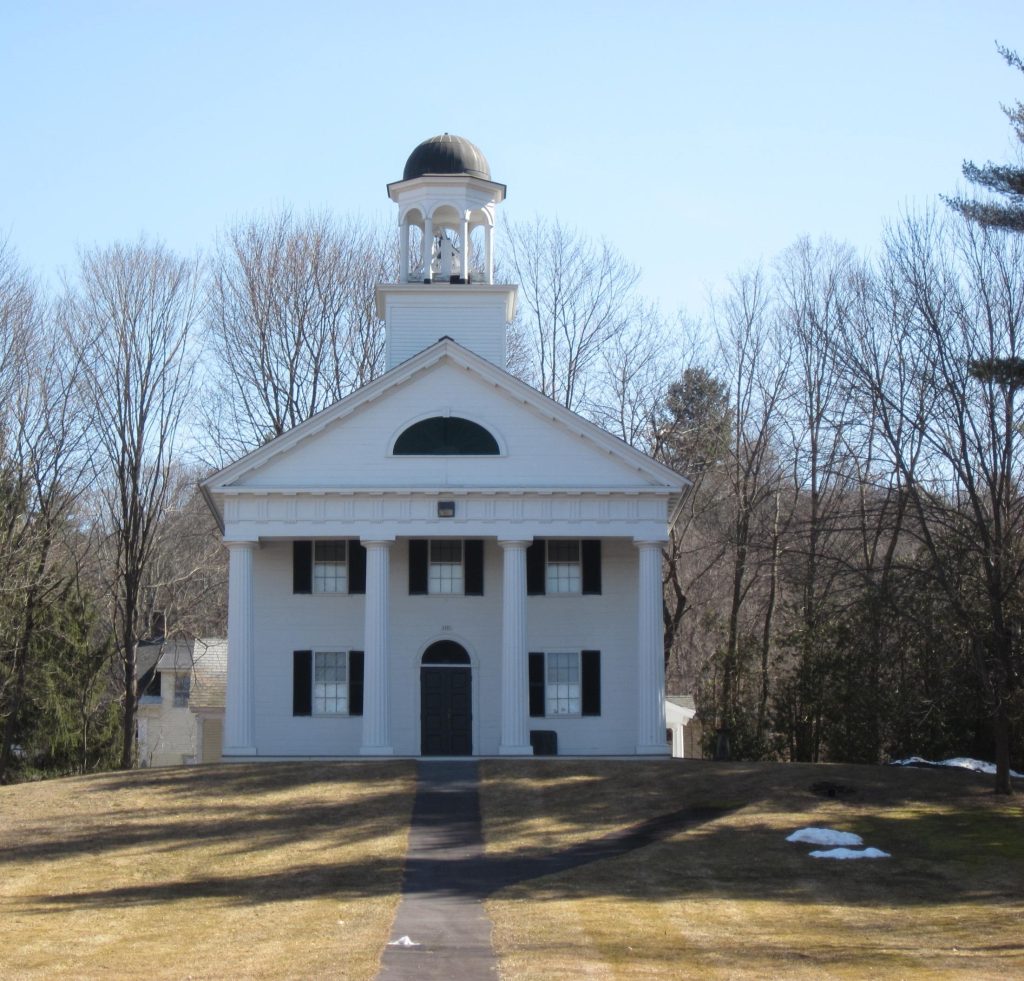
I began my visit at the Walpole Town Common. Unlike the bustling squares of larger towns, Walpole’s common is serene, surrounded by a stunning collection of Federal and Greek Revival buildings.
My first stop was the Walpole Academy. Built in 1831 and likely designed by master builder Aaron Prentiss Howland, this Doric-style “temple” on the hill once educated nearly 200 students from across New England. Today, it serves as the Walpole Heritage Museum. Walking through its doors is a trip back to 1837; the museum houses everything from delicate 19th-century garments to records of the town’s founding by Colonel Benjamin Bellows in 1752. Just a short walk away, I marveled at the Knapp House (1812). Local legend says that Louisa May Alcott, a frequent visitor to the town, was inspired to write Under the Lilacs by the massive lilac hedges that still grace this property.

The Midday: A Sweet Tradition
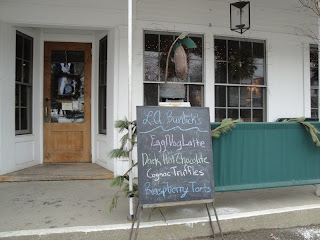
You cannot speak of Walpole without mentioning L.A. Burdick Handmade Chocolates. In the early 90s, Larry Burdick moved his world-famous chocolate production from New York City to this quiet corner of New Hampshire, and the town hasn’t been the same since.
I ducked into the café for their signature Hot Chocolate—which is essentially a melted chocolate bar in a cup—and watched the locals gather at the French-inspired Restaurant at Burdick’s next door. There is something surreal about finding world-class Parisian pastries and handmade chocolate mice in a village of 3,700 people, but that is the magic of Walpole.

The Afternoon: High Views and Harvests
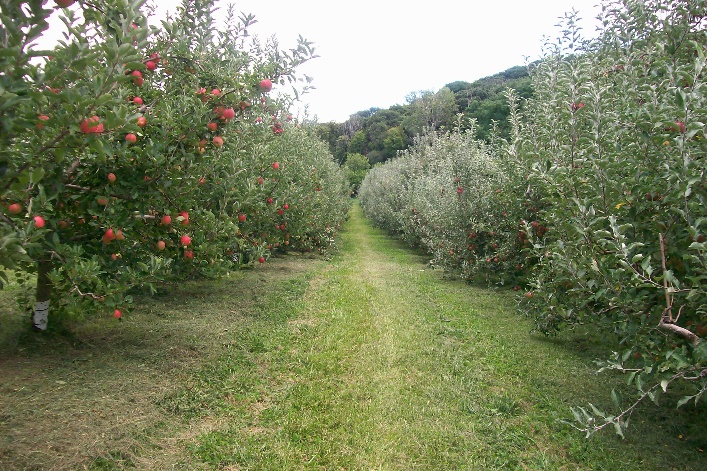
To see the landscape that lured the first settlers here, I drove up to Hooper Golf Course. Even if you don’t play golf, the view from Prospect Hill is worth the trip. The course dates back to 1923, but the land feels ancient, offering a panoramic look at the valley below. Before heading out of town, I made a final stop at Alyson’s Orchard. Perched on a pastoral hillside, this 350-acre farm is a powerhouse of New Hampshire agritourism. Depending on when you visit, you can pick your own peaches, plums, or some of the 50 varieties of apples they grow. I opted for a bag of cider doughnuts and a quick visit to the petting zoo, which—to be honest—is just as fun for adults as it is for kids.

Plan for A Day Trip to Historic Walpole New Hampshire
-
Best Time to Visit: Autumn is king here for the foliage and the harvest at Alyson’s Orchard, but a quiet winter Saturday in the chocolate shop is equally charming. Summer and Spring are delightful too!
-
Scannable Sights: Don’t miss the Bridge Memorial Library, a stunning brick building that looks like it belongs in a movie set.
-
Nearby Gems: If you have extra time, the Walpole Mountain View Winery offers tastings with a view of the Vermont mountains.
Walpole is a reminder that history isn’t just found in textbooks; it’s found in the creak of floorboards in an old academy, the smell of a woodstove on a crisp afternoon, and the preservation of a town common that looks much as it did two centuries ago.
Living in New Hampshire
You can enjoy the many town and vistas in New Hampshire if you live here. Red Oak Apartment Homes has many offerings and locations in Southern New Hampshire.